 Właściciele domów,
którzy wybudowali go (bądź nabyli go z drugiej ręki) przy
ruchliwej ulicy uskarżają się na hałas uliczny, który niekiedy
jest tak duży, że trudno o sen. Dzisiaj znamy sposób aby temu
zaradzić. W ofercie ogrodzeń możemy znaleźć ogrodzenia
dźwiękochłonne lub nawet ogrodzenia dźwiękoszczelne.
Właściciele domów,
którzy wybudowali go (bądź nabyli go z drugiej ręki) przy
ruchliwej ulicy uskarżają się na hałas uliczny, który niekiedy
jest tak duży, że trudno o sen. Dzisiaj znamy sposób aby temu
zaradzić. W ofercie ogrodzeń możemy znaleźć ogrodzenia
dźwiękochłonne lub nawet ogrodzenia dźwiękoszczelne.
Senin, 15 Mei 2017
Panele wygłuszające to typ ogrodzenia najchętniej wybierany przy ruchliwych ulicach a czy tylko?
Właściciele domów,
którzy wybudowali go (bądź nabyli go z drugiej ręki) przy
ruchliwej ulicy uskarżają się na hałas uliczny, który niekiedy
jest tak duży, że trudno o sen. Dzisiaj znamy sposób aby temu
zaradzić. W ofercie ogrodzeń możemy znaleźć ogrodzenia
dźwiękochłonne lub nawet ogrodzenia dźwiękoszczelne.
Rabu, 29 Maret 2017
Ogrodzenie, płot, sztachety niby to samo a jednak nie. Więc jakie ogrodzenie wybrać?

Rabu, 15 Februari 2017
Budowa ogrodzenia determinuje jego stabilnosc dlatego warto budować ogrodzenia z rozwagą.
Ogrodzenie musi być
solidne i dobrze zamontowane, ponieważ buduje się je na lata. W
czym tkwi sekret stabilności? Stabilność ogrodzenia w dużej
mierze zależy od jego słupków na których opiera się całe
ogrodzenie.
Zatem jak zbudować mocne i stabilne ogrodzenie?

Rabu, 25 Mei 2016
Budowa ploty plastykowe na ogrodzenie i bramkę ogrodzeniowa nie potrzebuje zezwolenia na to oraz zawiadamiania tego faktu do urzędu z wyjątkiem wyjątkowych przypadków.
Projekotwanie ogrodzenie plastykowe na plot i bramę sztachetowa nie wymaga zezwolenia na budowę ani zgłaszania tego faktu starostwu powiatowemu oprócz kilku wypadków.
Ogrodzenie z plastyku na plot i furtę ogrodzeniowa nie przekraczające wysokości 2,2 m wznoszone miedzy dwoma graniczącymi nieruchomościami nie wymagają żadnych formalności urzędowych. Dotyczy to również ogrodzeń chwilowych ochraniających plac budowy.
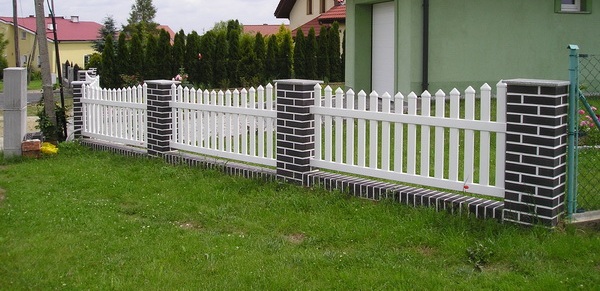
- Zgłoszenia wymaga:
- budowa ogrodzenia od strony ulicy, torów kolejowych a także innych miejsc publicznych (nie dotyczy płotów obok prywatnych oraz wew. nie będących drogami generalnymi)
- budowa płotu przekraczającego 2,2 m wielkości bez względu na położenie ogrodzenia.
- Zgłoszenia budowy balaski plastikowe na plot i bramę ogrodzeniowadokonuje się w miejscowym starostwie powiatowym względnie urzędzie miasta.
- Zgłoszenie zamysłu budowy ogrodzenia powinno zawierać formę ogrodzenia, sposób dokonania jego instalacji a także zaplanowany termin zapoczątkowania budowy.
- Prócz zgłoszenia powinno się dołączyć deklaracje o upoważnieniu do dysponowania posiadłością w zamiarach budowlanych a także jeśli jest to zadane przez starostwo zarys ogrodzenia.
Nieraz do stawiania sztachety z plastyku na ogrodzenie i furtę ze sztachet zadane są uzupełniające uzgodnienia tj. np. aprobata administratora drogi na miejsce zjazdu.

Stawianie ogrodzenia można rozpocząć po 30 dobach od zgłoszenia planowania jego konstrukcji, o ile biuro nie wniesie wcześniej sprzeciwu. Sprzeciw może być w sytuacji, kiedy planowane balaski z plastyku na plot i furtkę ogrodzeniowa jest nieprawidłowe z określeniami miejscowego planu zagospodarowania przestrzennego np. może być w pasie drogowym planowanej drogi. W sytuacji kiedy proponowane sztachetki PCV na plot i bramę ogrodzeniowaprawdopodobnie może grozić bezpieczeństwu ludzi czy tez mienia, np. przez redukowanie widoczności, budowa takiego ogrodzenia może potrzebować zorganizowania pozwolenia na jego budowę. Zgłoszenie zamysłu konstrukcji ogrodzenia jest ważne przez 2 lata. Brak przystąpienia do robót przez ten czas skutkuje unieważnieniem zgłoszenia i w przypadku chęci wybudowania ogrodzenia nieodzowne staje się kolejne zgłoszenie tego faktu.
Czy ekologicznesztachety PCV na ogrodzenie i furtkę ze sztachet są znakomite
Czy ekologiczneogrodzenie plastikowe na plot i bramkę sztachetowa są idealne

W chwili obecnej na czasie jest trend bycia eko, ale czy ten trend ma zastosowanie w każdej domenie naszego codziennego życia? Okazuje się że w sumie tak. W sumie nikogo nie szokuje ekologiczna żywność jak i ekologiczna ubiór wykonane z eko włókien ale eko budynek, a także eko płoty to kwestia bardziej abstrakcyjna. Skupmy się zatem na ekologicznym ogrodzeniu i furtkę ze sztachet.Zapewne niejedni z czytelników zastanawia się jakie to mogą być płoty, zaś odpowiedz jest niezwykle prosta. Są to ogrodzenia zbudowane z drewna spośród odzysku, np. pochodzącego z rozbiórki jakiegoś domu. Drewno z odzysku, jest wspaniałym wyborem pod względem ekologicznym, częstokroć tez tańsza możliwością aniżeli zakup nowychmateriałów do budowy ogrodzenia. plot plastykowe na ogrodzenie i furtę sztachetowa z rusztowania, palety, towary pozostałe po rozbiórce mogą być ponownie użyte do konstruowania indywidualnych oryginalnych ogrodzeń, które będzie dostosowane do własnych potrzeb. Jeżeli nie masz pewności, czy dane drewno ogrodzeniowe jest towarem z recyklingu, należy sprawdzić czy dysponuje certyfikat FSC, świadczący o pochodzeniu ze źródeł odnawialnych.

Naturalne plot z Winylu na ogrodzenie i furtkę ze sztachetek to całość czego musisz mieć
Inna alternatywa na ekologiczne sztachetki Winylowe na ogrodzenie i bramkę ze sztachet są rosnące ogrodzenia. Warunkiem posiadania takiego typu płotu jest dysponowanie odpowiednia przestrzenią. Krzewy, drzewa, czy również inne rośliny mogą doskonale sprawdzać się w roli ogrodzenia. Wierzba, bądź tez topola czarna to drzewa, którymi swobodnie można manipulować w ten sposób, żeby skonstruowały znakomite ogrodzenie dla wiejskiego stylu zieleńców. Żyjąca wierzba pozwala nam na właściwe dostosowania jej witek oraz konaru w ten sposób, aby wolno było sformować z nich różne kształty. Do wykonania sztachetki z plastiku na ogrodzenie i furtkę ogrodzeniowa potrzebne jest około 500 pędów żyjącej wierzby. Jeżeli mamy problem z ukształtowaniem naszych roślin, wskazane jest zastanowić się nad zaangażowaniem specjalisty.
Balustrady z plastyku na ogrodzenie i bramę ze sztachetek jako element architektury może spełnić kilka zasadniczych powinności.</h1> <title>Ploty z plastiku na ogrodzenie i bramę ze sztachet jako cząstka architektury może spełnić parę fundamentalnych misji.
Ogrodzenie z plastiku na ogrodzenie i furtę ze sztachetek jako substrat architektury przypadkiem może zrealizować kilka fundamentalnych funkcji.
Kluczową funkcją każdego opłotu jest ubezpieczenie. Ogrodzenia powinny strzec posesję przede wszystkim przed złodziejami. Niemniej jednak płoty chronią również przed zwierzyną które mogłyby zniszczyć np. rośliny zasadzone w ogrodzie.balaski z plastiku na plot i furtkę ze sztachetek mogą być także znamienitą obroną od wiatru tudzież kurzu. Dzięki ekranowi jaki można wykonać z płotu odsapnięcie w skwerze stanie się autentyczną radością. Ażeby płot wykonywało taką misje powinno być wykonane z paneli tak żeby dowolne przęsło było kompletnego. Balaski z plastyku na ogrodzenie i furtę sztachetowa jest świetną asekuracja przed natrętnymi sąsiadami. Stawiając wysokie płot, a najprawidłowiej szczelnie zabudowane pies z kulawą nogą nie zajdzie na naszą posesje. Ogrodzenie jest swojego typu wartownikiem naszej prywatności.

Izolacja dźwiękowa ogrodzenie z plastiku na ogrodzenie i bramkę sztachetowa to kolejna rola .
Szczególnie od strony ruchliwej ulicy powinniśmy mieć ogrodzenia dźwiękoszczelne. Ze względu takiemu ogrodzeniu na polskiej własności będzie o mnogość ciszej. Doskonałą deprywacją akustyczną pokazują się ogrodzenie z PCV na ogrodzenie i furtkę ogrodzeniowa. Pomijając to płot powinno być nie tylko funkcjonalne. Naczelną funkcją ogrodzenia jest ozdoba dowolnej posesji. Ogrodzenie jest załącznikiem do domu, wobec tego aparycja oraz kształt płotu powinien być zaadaptowany do wzoru w którym wybudowano dom. Wprawdzie już sam wybór idealnego płotu nie wystarczy. Ogrodzenie powinno być estetyczne bo bez tego choćby najpiękniejsze ogrodzenie w dniu zakupu z czasem straci na swej krasie. Jednym słowem balustrady z plastyku na plot i bramkę sztachetowa ma zdobić a nie szpecić ogrodzenie. Powyższe argumenty przyznają iż płot może spełniać sporo funkcji, lecz podstawowym zleceniem ogrodzenia jest ochrona. Jednakże pozostałe role są identycznie ważne. Funkcjonalność ogrodzenia zależy przede wszystkim od budulców z jakich jest stworzone, jego designu (ażurowe czy pełne), jak wysokie jest ogrodzenie) i miejsca w którym je zainstalujemy.

Selasa, 24 Mei 2016
Długowieczne ogrodzenia z drewna
Trwałe ogrodzenia z drewna
Nieodpowiednio zabezpieczone ogrodzenia drewniane ekspresowo się destruują i mogą ostatecznie zgubić swój pierwotny wdzięk oraz cechy. Decydując się na zastosowanie drzewa na płot należałoby poznać rodzaje konserwacji oraz pielęgnacji takiego płotu. Tylko wówczas będziemy mogli upajać się jego pięknem przez wiele lat.

Wszelakie prace konserwujące płot z drzewa wypada zacząć od poprawnego i skrzętnego przygotowania towaru na płot, bo od tego uzależniony jest efekt finalny własnych prac. Przed użyciem produktów do protekcji i ozdoby ogrodzeń z drewna niezbędne jest skontrolowanie, czy drzewo jest czyste, suche oraz czy nie dźwiga symptomów biokorozji. Wówczas po zakończeniu obróbki drzewa na płot możemy przejść do aplikacji amalgamatów konserwujących.
Pielęgnację, głównie w przypadku ascetycznego drewna ogrodzeniowego, winniśmy zacząć od naniesienia 1-2 warstw bezbarwnego impregnatu fachowego, który chroni drewno ogrodzeniowe przed grzybami, sinizną tudzież insektami. Gdy konserwujemy już nasze płot przed rozwojem biokorozji, wypada nanosić następne amalgamaty, jakie asekurują je przed czynnikami atmosferycznymi- wodą oraz promieniowaniem UV. Jeśli potrzebujemy utrzymać naturalny odcień drzewa naszego ogrodzenia, winniśmy zastosować achromatyczny lakier do zastosowań zewnętrznych. Jeśli natomiast zależy nam na nadaniu naszemu płotu ustalonego pigmentu, powinniśmy sięgnąć po impregnat koloryzujący względnie lakierobejcę.

W pierwszym przypadku preparat konserwujący wsiąknie w drzewo, zabezpieczy ogrodzenie od wewnątrz, lecz nie utworzy na jego nawierzchni ochronnego filmu. Ochronione w ten sposób płot zostanie matowe i przyjemne w dotyku. Jeżeli zależy nam na lepszej i trwalszej protekcji płotu, powinniśmy zastosować lakierobejcę. Lakierobejca wykreuje na nawierzchni malowanego płotu lakierowy film, jaki efektywniej niż w przypadku impregnatu zabezpieczy ogrodzenie przed negatywnym działaniem czynników atmosferycznych.
Jak widać żeby ogrodzenia z drewna były trwałe trzeba przeznaczyć im wiele uwagi i troski.
Kompletnie inaczej jest w wypadku ogrodzeń plastikowych. Ten typ ogrodzeń jest w pełni wytrzymała na czynniki atmosferyczne na skutek czego nie wymaga konserwacji. Ogrodzenia wykonane z plastiku nie podlegają również biokorozji stądtoteż dogadzają swoim właścicielom przez długie lata.

Langganan:
Postingan (Atom)